Where Most Pages Lose People (And Why It’s Costing You Sales)
There’s a point on almost every website where people quietly leave.
No announcement. No message. Just a click away.
Most of the time, the issue isn’t your offer or your design. Something on the page creates a moment of pause, a small hesitation that leads people to leave instead of continuing.
And the tricky part is, these moments are easy to miss when you’re the one who built the page.
Let’s walk through where this usually happens.
The first few seconds: when your page feels unclear
When someone lands on your page, they’re trying to answer one question right away. “Am I in the right place?” If your headline doesn’t answer that clearly, you’ve already lost a portion of your visitors.
A lot of pages open with lines that sound nice but feel vague. Things like “Helping you grow your brand” or “Creating meaningful experiences.” It reads well, but it doesn’t give the visitor anything concrete to hold onto.
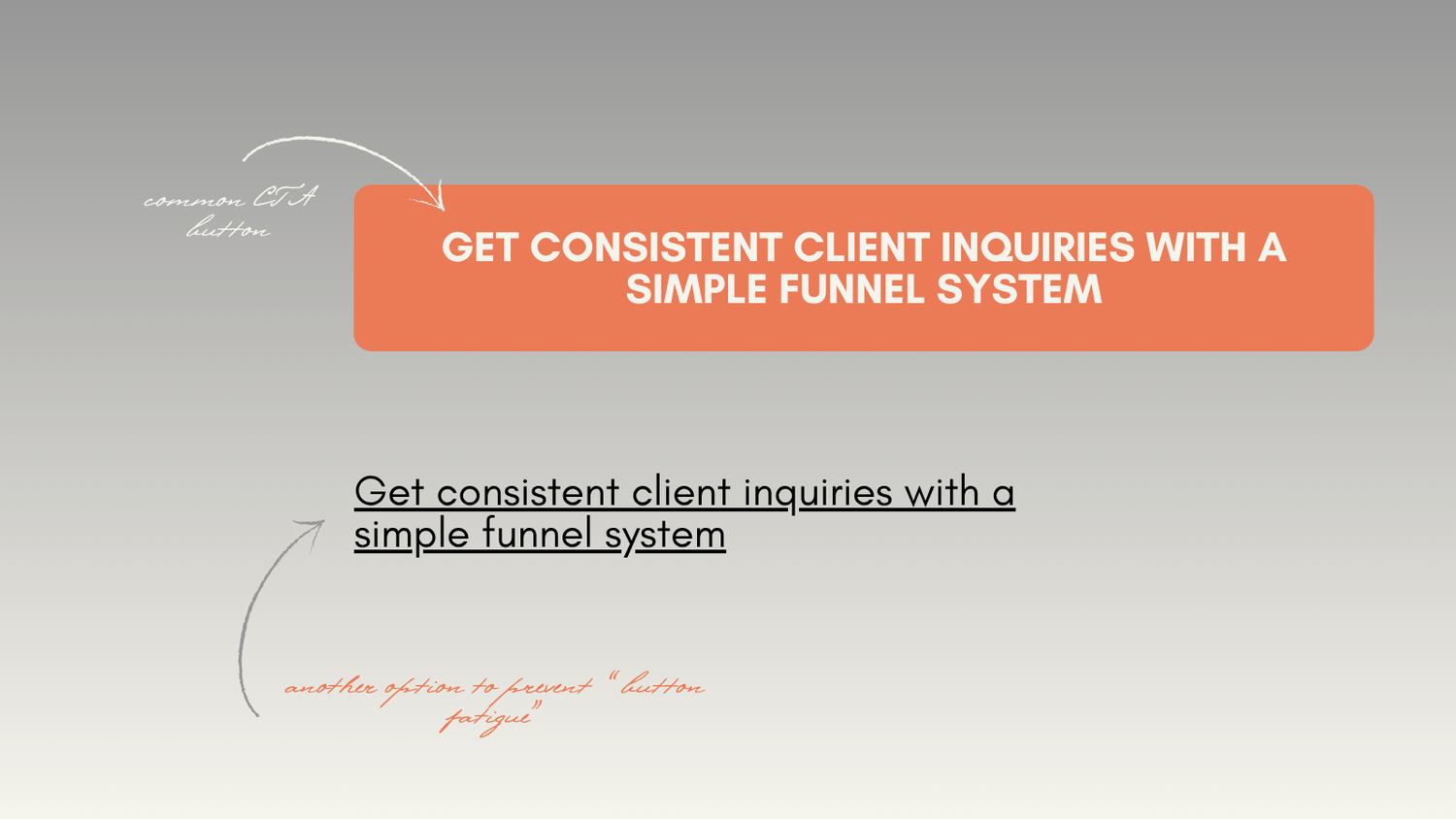
Now compare that to something like, “Get consistent client inquiries with a simple funnel system.” It’s more direct. The visitor understands what you do and who it’s for within seconds.
Clarity gives people a reason to stay. Without it, they leave before exploring further.
The scroll that feels disconnected
Let’s say your headline works. They stay and start scrolling.
This is where many pages quietly lose people. The sections don’t feel connected. One talks about your story, another jumps into features, then a testimonial appears without context.
From your perspective, everything makes sense because you built it. But from a new visitor’s point of view, it can feel like jumping between unrelated ideas.
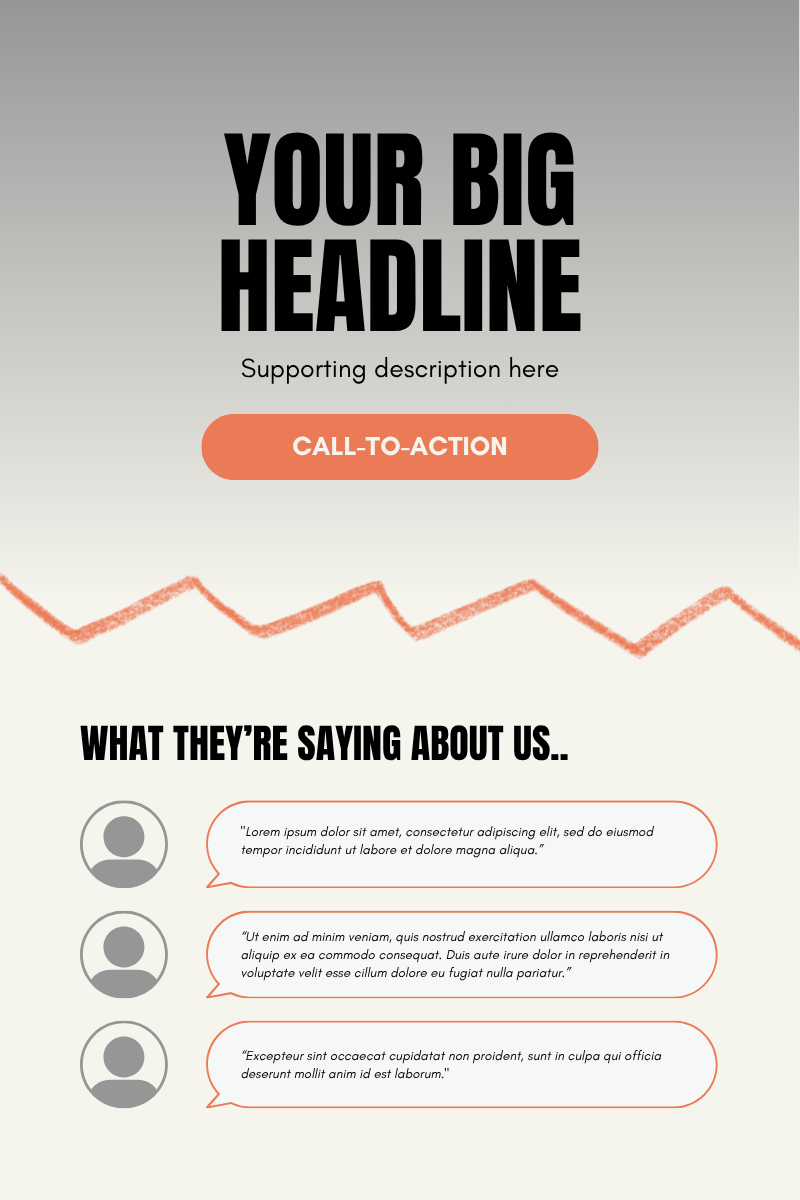
A strong page should feel like a guided experience. It should naturally move from problem to solution, then build trust, and finally lead to action.
When that flow is missing, people don’t always realize why they feel off. They just stop scrolling.
Too much information, not enough direction
Another common issue is trying to say everything at once.
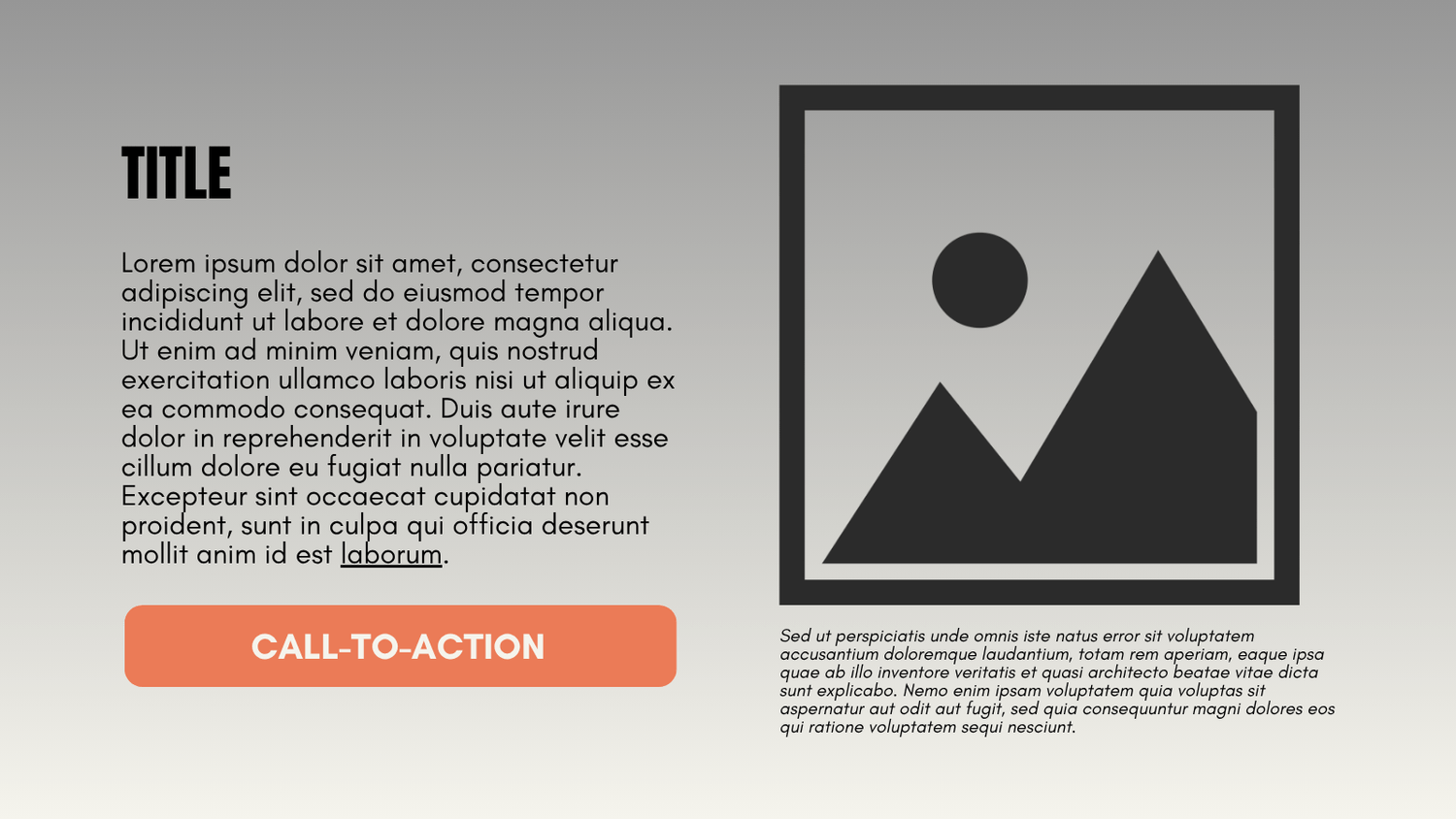
Long paragraphs, multiple services, different offers, several buttons competing for attention. It creates friction.
For example, if your page is talking about web design, branding, social media, and coaching all at the same time, your visitor now has to decide what they even need. That extra thinking slows them down.
Pages that convert well tend to be focused. They guide attention instead of dividing it.
When people feel overwhelmed, they delay decisions. And in most cases, delay turns into leaving.
The moment they’re interested but unsure what to do next
This is one of the most frustrating drop-off points.
Someone has read your page. They’re interested. They’re considering working with you. But when they look for the next step, it’s unclear.
Sometimes the call to action is too soft. Sometimes it’s buried at the bottom. Sometimes there are too many options and none feel like the obvious next move.
At this stage, even a small amount of uncertainty can break the momentum.
A clear next step matters. It should feel simple, expected, and easy to follow.
When trust still feels incomplete
Even if your page is clear and well-structured, people still need a reason to believe you.
This is where many pages fall short. They either skip proof or include it in a way that feels too general.
A short testimonial with no context doesn’t do much. A statement like “I’ve worked with many clients” doesn’t say much either.
People are looking for something real. Specific results, clear transformations, or even small details that show your work in action.
For example, sharing how a client went from inconsistent inquiries to steady weekly leads after implementing a funnel is far more convincing than a simple compliment.
Trust reduces hesitation. Without it, people stay unsure.
A quick reality check for your own page
If you’re noticing yourself in any of these, you’re not alone. Most pages don’t fail because of one big mistake. It’s usually a combination of small gaps that slowly push people away.
If you want to see exactly where your page might be losing people, I offer a free funnel audit where I go through your page and point out what’s causing the drop-offs and what can be improved.
You’ll get a clearer structure, better direction, and practical insights you can actually apply.
If that sounds helpful, you can send me your page and I’ll take a look.
References and inspiration
This article draws from principles in conversion-focused design and user behavior, particularly how people scan pages, how decision fatigue affects actions, and how structured messaging improves clarity and trust.
Conclusion
Pages don’t usually lose people in obvious ways.
It happens in small moments. An unclear message. A scattered flow. Too much to process. No clear next step.
Each one creates a bit of friction. And over time, that friction adds up.
The good thing is, once you start seeing these patterns, you can fix them.
And when you do, your page stops feeling like a static design and starts working like a system that guides people toward action.
HEY, I’M MARI
I’m a conversion-focused visual designer from the Philippines with a background in traditional and digital art. My work blends creativity and strategy to design pages that don’t just look beautiful, but guide visitors toward action.
I help freelancers, creators, and small businesses bring clarity to their funnels through thoughtful layout, visual hierarchy, and purposeful design.

FREE AUDIT ↓
Helping freelancers, creators, and small businesses build simple, conversion-focused funnels that turn clicks into clients.
Not sure where your funnel stands? Start with a free funnel audit.